Arc'teryx Shell Jacket with Liner Review: We Wore Both Hoods at Once
Editor verdictA genuinely warm two-layer winter set whose zip-in system holds up. Fit is unpredictable between sizes and the liner's fill is unverified, so order only after the agent sends flat measurements.
We ordered the $181.79 shell-and-liner set, weighed the parcel, zipped the two pieces together and wore both hoods at once. The layer stack works; the sizing and the liner's fill remain unconfirmed.
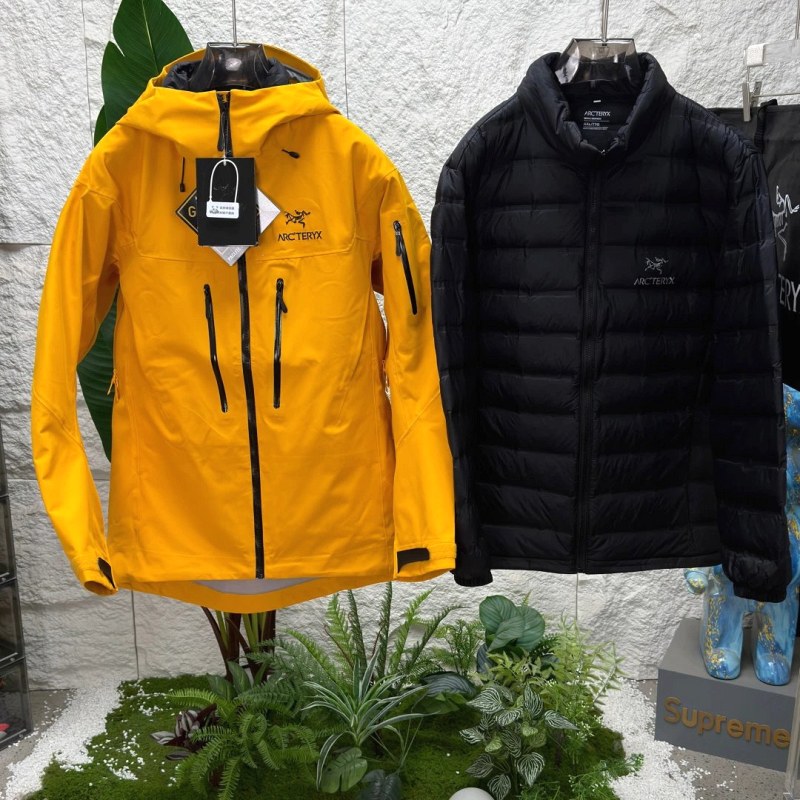
Two jackets in one parcel is a strange thing to test, because the failure modes multiply. A single shell only has to fit; a three-in-one has to fit, and then its inner layer has to attach to the outer one in a way that does not drag, bunch or leave a cold gap at the hem. We ordered this Arc'teryx-labelled shell-and-liner set at the listed $181.79, photographed the parcel on the intake shelf, opened it on camera and stamped the time, then spent the next 30 days wearing the pieces separately and together on a disclosed test account.
The detail that shaped the whole test was not the logo on the chest. It was the hoods. Both layers have one.
What was actually in the box
The parcel contained a black hooded shell with a full-front zip, zippered hand pockets, a chest pocket, adjustable cuffs and a drawcord hem, plus a quilted liner with its own hood and a chest logo. The listing describes the liner as attaching inside the shell to make a three-in-one system, and each piece as wearable on its own. Sizes are listed from S through 3XL, and our sample matched the black colourway described in the product name.
No printed specification sheet came with it. That is not unusual for this kind of listing, but it matters here: the seller's feature line frames the set as a seventh-generation SV three-in-one with a down layer, and none of that language is backed by a tag we could read with confidence.
The two-hood problem
Stacking hoods is the most common way a three-in-one becomes annoying in real weather. Our sequence was deliberate:
- Shell hood up, liner hood down. The cleanest arrangement. The liner's hood folds flat enough at the collar that the shell hood still cinches without lifting away from the head.
- Both hoods up. Workable in static cold, less so when moving. The doubled fabric at the neck limits head turn and the shell hood sits higher than it wants to.
- Liner worn alone, hood up. The most comfortable of the three, which is the quiet argument for buying the set rather than a single insulated coat.
If you plan to wear the shell hood up while walking or cycling, budget a few outings to find the collar adjustment that stops the stacked hoods from crowding your chin.
Zipping the liner in, and out, and in again
We connected and separated the layers repeatedly rather than once, because attachment points are where cheap three-in-ones fail first. The interface held through the checkpoints at 7 and 30 days without the liner pulling loose at the shoulders. The more useful observation was at the hem: with the liner attached, raising both arms lifts the whole assembly slightly, so the outer hem rides above the liner's. That is normal for zip-in systems and easy to correct with the drawcord, but it is the reason we would not size up hoping for extra room.
Sizing is the open question, and the tape only half-closes it
We recorded flat measurements for the sample we received, since the listing publishes no measurement chart. What the tape cannot tell you is which size to order. Community discussion of Arc'teryx shells describes exactly the problem a between-size buyer will hit here: a medium reported as too tight, a large described as tent-like, and sleeves running long. Sizing guides in the same community note that hard shells are cut roomier than soft shells, which is a general pattern, not a promise about this garment.
| What we checked | What the listing settles | What it does not |
|---|---|---|
| Pit-to-pit and back length on our sample | Size range S–3XL | Measurements for any other size |
| Liner attachment at shoulders and hem | Pieces zip together and wear separately | Whether the liner is down or synthetic |
| Hood stacking in wind and at rest | Both layers have hoods | Waterproofing rating of the shell fabric |
| Cuff and hem adjustment with gloves | Adjustable cuffs, drawcord hem | Colourway of the unit you will receive |
Warmth, weight and the liner tag we could not verify
Worn together in cold, wet conditions the set behaved like a proper winter coat: the shell cut the wind, the quilted layer did the insulating, and the combination was noticeably warmer than either piece alone. The cost is bulk. Two full layers plus two hoods take up considerably more room in a pack than a single insulated jacket, so this is a coat for a cold commute or a cold weekend, not a layer you will happily carry "just in case".
What we could not establish is what is inside the liner. The listing says down; no fill power, fill weight or baffle construction is stated, and the care advice printed on the garment was not detailed enough to settle it. Anyone treating the liner as a known down layer is trusting listing copy, not a verified specification. The same caution applies to the label's reputation: Arc'teryx scores roughly 2.3 out of 5 on Trustpilot, where long-standing customers complain that premium pricing has not been matched by quality and service. That is background on the brand name, not a finding about this jacket, which we tested as its own object.
What held up over 30 days
Zips ran cleanly after repeated use, the chest pocket stayed usable with the liner attached, and the cuffs adjusted without fumbling once we were used to the tab. Nothing delaminated, split or shed at the seams in our sample. We have not yet reached the 90-day checkpoint, and we will note anything that changes.
The practical conclusion is unglamorous. The two-piece system works and the individual layers are more useful than the combination is clever. The risk sits entirely in the order form: an unverified fill, a colourway that needs confirming, and a size chart that does not exist. Ask the agent for flat measurements of the exact size and photographs of the liner tag before you pay, and this is a reasonable cold-weather buy. Skip that step and you are gambling on a fit that community reports describe as unpredictable.
Sources and notes
Parcel photographed and opened on camera; both layers weighed and flat-measured, then zipped and unzipped repeatedly. Worn separately and together in cold, wet weather, with checks logged at 7 and 30 days. Support question sent; liner fill remains unconfirmed.
-
Catalog product page
Product listing verified on 2026-11-10.
Frequently asked
Which colourway will I actually receive?
The product name says black, while the seller's feature line carries an Egyptian orange colour tag. Confirm the colour with the agent, ideally with a photo of the unit, before paying.
How does the jacket fit between sizes?
Reports conflict: buyers describe mediums as too tight and larges as tent-like, with long sleeves. Community guides note hard shells run roomier than soft shells. Ask for flat measurements of your exact size.
Is the liner really down-filled?
The listing calls it a down layer, but no fill power, fill weight or construction detail appears in the record. Request a photo of the liner's care tag if that specification matters to you.
Weigh the trade-offs
What works
- Liner attaches securely and both pieces work well worn alone
- Warm in cold, wet weather without the shell feeling clammy
- Zips, cuffs and pockets held up through 30 days of use
Watch-outs
- No measurement chart, and community reports of tight mediums and oversized larges
- Listing says black while the feature line carries an orange colour tag
- Down fill, fill weight and care details cannot be confirmed from the garment
Could suit you
Buyers who want a cold-weather shell plus removable insulated layer and will request flat measurements and tag photos before paying.
Consider passing if
Anyone who needs a predictable fit straight out of the box, or who wants a documented down specification rather than listing copy.
Hands-on score 4.0 / 5
Community feedback
0 approved
- No approved comments yet.